-
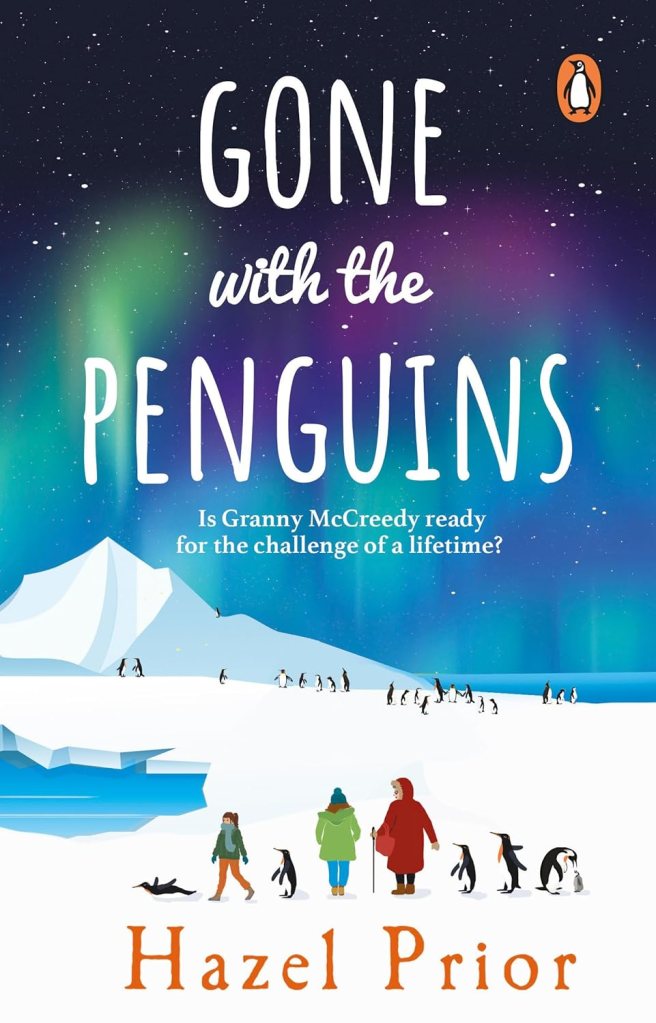
Hazel Prior has ‘Gone with the Penguins’ to a fitting end to her trilogy

“Hazel’s love of penguins always shines through on the pages”
AdvertisementsWhen I heard the news that Hazel Prior would be completing her ‘penguin’ series, I was delighted that we would be finding out how it all ends of octogenarian Veronica McCreedy, the intrepid Penguin Ambassador.
I suppose it is only fair at this stage to declare a conflict of interests as Hazel is an occasional member of the book group I attend monthly, so it is difficult to be anything but complimentary about this latest offering from the Exmoor-based author.
 Advertisements
Fortunately, I am not being biased in saying that this is a fantastic ending to the series as Hazel’s writing is always beautiful and she has once again given a masterclass in storytelling that glows from the page.
Once again this is a well-researched adventure and a heartwarming story about friendship. Hazel’s love of penguins always shines through on the pages and there is an important message about conservation amid the wonderfully described tale.
 Advertisements
If you haven’t yet familiarised yourself with Hazel’s penguin trilogy, then this winter would be the perfect time to follow the call of the penguins and then be taken away with the penguins before finally finding yourself gone with the penguins.
Below is the blurb for this final instalment, to whet your appetite for what’s to come;
Still fiery and feisty at eighty-seven, Veronica McCreedy, the very first Penguin Ambassador, is determined to prove that nothing is impossible when you put your mind to it.
Eileen, Veronica’s ever-patient assistant, is content taking care of other people. But when a new adventure calls, it makes her question everything…
Ten-year-old, penguin-obsessed Daisy can’t wait to be reunited with Mrs McCreedy in her huge house by the sea for the school holidays.
When they discover that the local Sea Life Centre is under threat, the unlikely trio are determined to save it and the penguins that live there.
Inspired by the penguins and fuelled by Darjeeling tea and finger sandwiches, they embark on an epic fundraising walk. But soon, their mission becomes so much more and it might just lead each of them to a new beginning…Gone With The Penguins is out now from Penguin (naturally!).
-
J.J. Green reveals inspiration for ‘Someone to Blame’ that’s seeped in Covid tensions

“I think it’s hard for any writer to keep their own worldview of out their writing”
AdvertisementsSomeone to Blame is the second novel from Irish writer J. J. Green, who has had a number of political essays focusing on economic and environmental injustice also published.
Her first novel, The Last Good Summer, was published in February 2023 and she is back with a tale involving secrets among a close-knit Irish community. The BookInsider has caught up with the author to ask about her writing processes and how her non-fictional writing informs her fictional novels.
AdvertisementsHow long does a novel idea manifest in your mind before you start writing?
Often, I get an idea and I’ll have it knocking around in my head for months or even or year or more before I start writing. I think about it a lot, play around with it, tease out how to develop it into a story, bring in characters and think about their motivations and what journey I want them to go on.
By the time I sit down to do any planning on paper, I have a good sense of what the plot will be.
AdvertisementsDoes your non-fiction work and being a social and environmental activist inform your fictional work?
My non-fiction writing often does inform my fiction writing. In my first novel, a mystery thriller called The Last Good Summer, the backdrop to the story is an eco-crime. So, I weaved in many of my concerns about the environment, but being careful not to make it feel like a lecture.
However, Someone To Blame doesn’t have that strong social or environmental message, but my politics seep in anyway, in a more subtle way. So for instance, the story is set shortly after Covid and I mention anti-vaxxers and the various tensions there were around masking wearing and getting vaccinated.
I think it’s hard for any writer to keep their own worldview of out their writing, but I’m conscious of not letting it take over and get in the way of the story I want to tell, at the same time.
AdvertisementsDo you write characters that reflect your own personality traits?
Some of my own personality might come out in a character, and my main protagonist is nearly always female because I feel I’m more able to write a female character who has to carry the story.
I’m not sure I could go into that much depth for a male character, although I do write male characters too. Mostly though, I challenge myself to create characters that are very different from me in terms of their motivations and values.
When I create a character, I find it helps to match them somebody I know to help form an initial personality with the key trait or traits I want that character to have.
Then, as I start writing, the character will usually develop into their own person and will be very different from the real person I based them on.
AdvertisementsWhat are your plans now that ‘Someone to Blame’ has been published?
I’ve been writing for most of my adult life and the first novel I had published was actually the seventh one I’d written – the previous six are unpublished.
So, my plan is to keep writing, and actually, I’m almost finished the first draft of another novel, a climate fiction whydunnit set in 2050.
AdvertisementsWhat is one piece of advice that has helped you become a published author?
The one piece of advice that I always keep in mind and that has helped me stay the course to getting published is: don’t give up. What is it they say? An author is just a writer that didn’t give up.
And while there are other pieces of advice that have helped me enormously – learning the craft of fiction writing through creative writing courses; practising writing every day; reading other writers; making my work as good as it can be; finding a really good editor; all of these have been crucial and without them, I would not be published.
But that advice of never giving up is the inner motivation that pushes me onwards. While writing brings so much joy and fulfilment, it’s also lonely and demanding – and often disappointing with the dreaded rejection letters, or more often these days being ghosted.
It takes a lot to keep going on, in spite of the setbacks.
Advertisements“Shay Dunne is a poison pen. Not that she wants to be one. But a recent tragedy in her life has left her hell-bent on dishing out some punishment to the two people she blames. Sending them a letter containing a vague accusation will do the trick.
“Only the letters set in motion a series of unintended consequences, and Shay soon discovers that in the close-knit Irish village she calls home, a community still reeling from Covid, there are sinister secrets everywhere.”
-
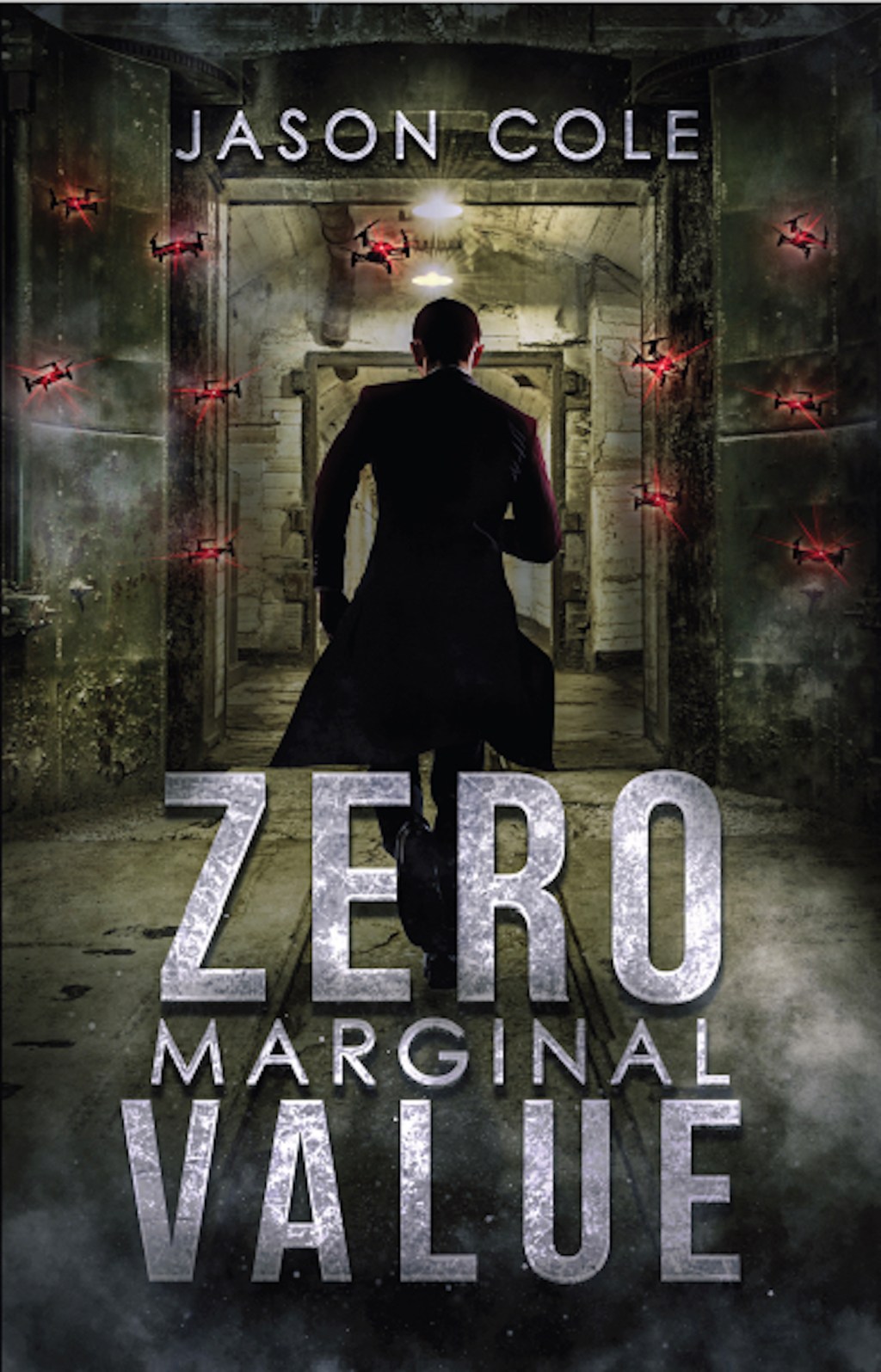
Jason Cole’s ‘Zero Marginal Value’ is a dystopian warning amid changing realities
“The reader might shudder at the thought of what is very close around the corner”
AdvertisementsAt a time when the world is once again teetering on the edge of worrying possibilities with the US election arriving on the horizon and the middle east teetering on the brink, Jason Cole’s dystopian sci-fi thriller gives a stark warning of where we could be heading if the choices made by the public hand power to those who might not have their people’s best interests at heart.
Set in the United States, the story follows Liam and his battle with the healthcare industry, who are more interested in lining their pockets than providing the cure for his sister Keema’s illness.
 Advertisements
The near future sees appliances which are voice-activated and are no doubt already being developed in high-tech companies across the globe, which gives a realistic edge to this science fiction story and the reader might shudder at the thought of what is very close around the corner and not pie-in-the-sky inventions and theories, that may have dominated sci-fi of the 60s and 70s when the year 2000 seemed in the far, distant future.
The action is fast-paced and once settled into the story, it is easier to follow than the premise may suggest and before long, you are invested in Liam’s cause and his battle with the controlling forces that dictate human life.
 Advertisements
As with all stories in this genre, there is some belief that this is all ‘make believe’ but the rate that technology is evolving and the desire to place narcissistic people in power, the ‘future’ of Jason Cole’s narrative may not be far from being everyone’s reality.
The book blurb is as follows;
“In a world, in the not too distant future, news is streamed through smart contact lenses. Liam Baron is a corporate spy managing debt and family obligations in his own unique way.
“Together with his partner, Keema, they can slip in, copy what they need and disappear without anyone knowing they were there. But when his sister contracts an emerging disease his next job is personal.
Advertisements“He must risk everything to steal the treatment she helped develop. Liam must take on a ruthless pharmaceutical company to save his family and millions of others.
“He must decide who to trust as he races against the clock. In a society under heavy surveillance can Liam maintain his cover?”
-
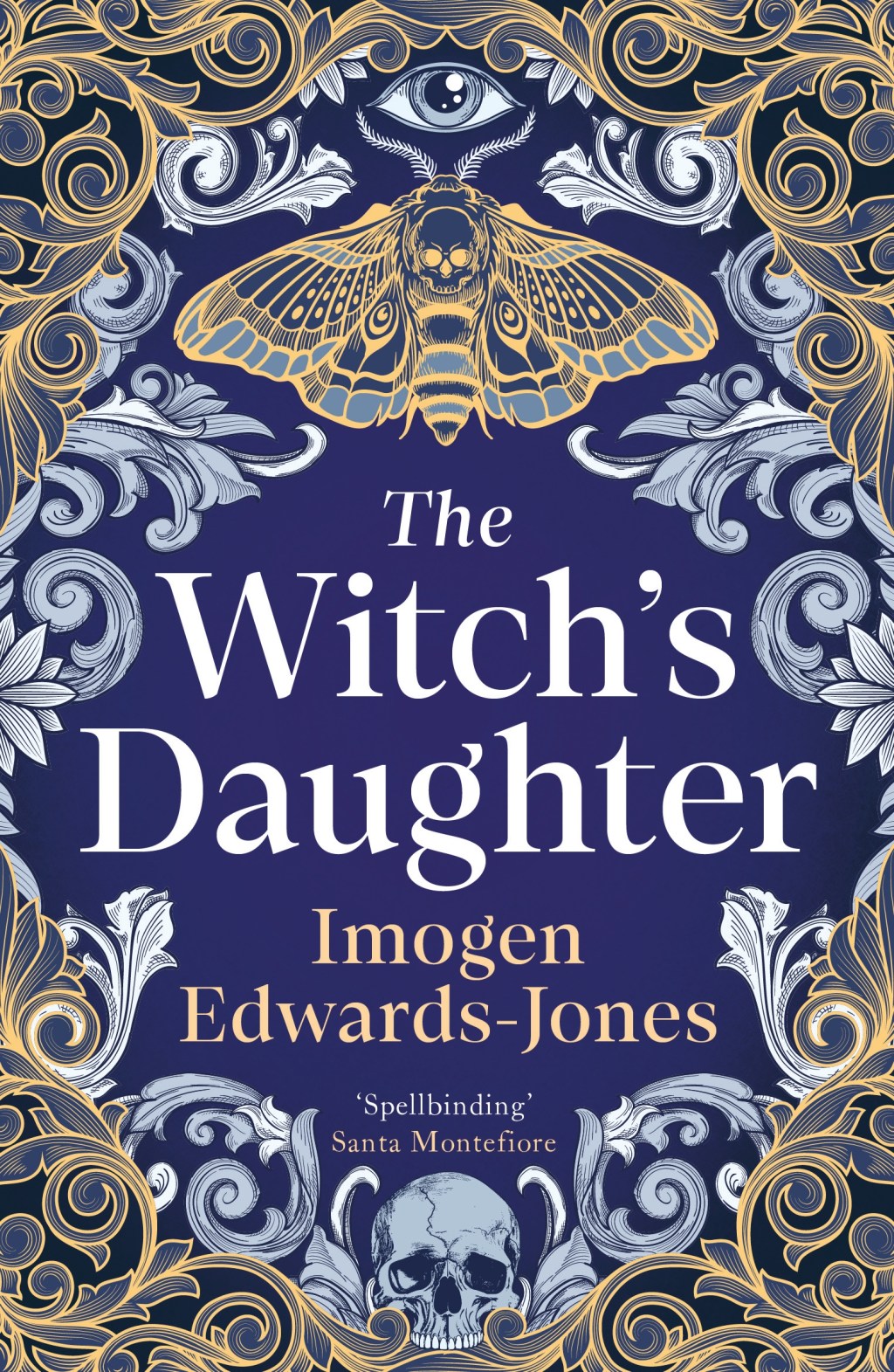
Imogen Edwards-Jones makes triumphant Russian return with The Witch’s Daughter
“The storytelling is so rich and it leaves you wanting to stay immersed in this world”
AdvertisementsImogen Edwards-Jones has made a triumphant return to the scene of The Witches of St Petersburg with this stunning sequel, The Witch’s Daughter.
Based upon a true story, Nadezhda has never wanted to be a witch. But the occult is in her blood. Her mother, Militza, conjured Rasputin and introduced him into the Romanov court, releasing the devil himself.
 Advertisements
Now he is dead, but Militza still dreams of him – stalking her sleep and
haunting her waking hours. As Petrograd burns and the Russian Empire crumbles, Nadezhda escapes through the capital, concealing a book of generational magic.But as danger grows closer, she may be forced to embrace her heritage to save what she loves most.
Pacy with a chilling Gothic atmosphere, the horrors of war and being a refugee brings a moving narrative to the story as the reader is transported into the middle of the Russian revolution.
 Advertisements
Edward-Jones paints a vivid picture of the reign of the Romanovs, the story is more historical with magical elements than a tale about witches, which could be the conclusion jumped to by those who do judge a book by its cover.
While it is not essential that you read the first book of this story, there is no doubt that you will be reaching out for it after reading this, as the storytelling is so rich and it leaves you wanting to stay immersed in this world.
-
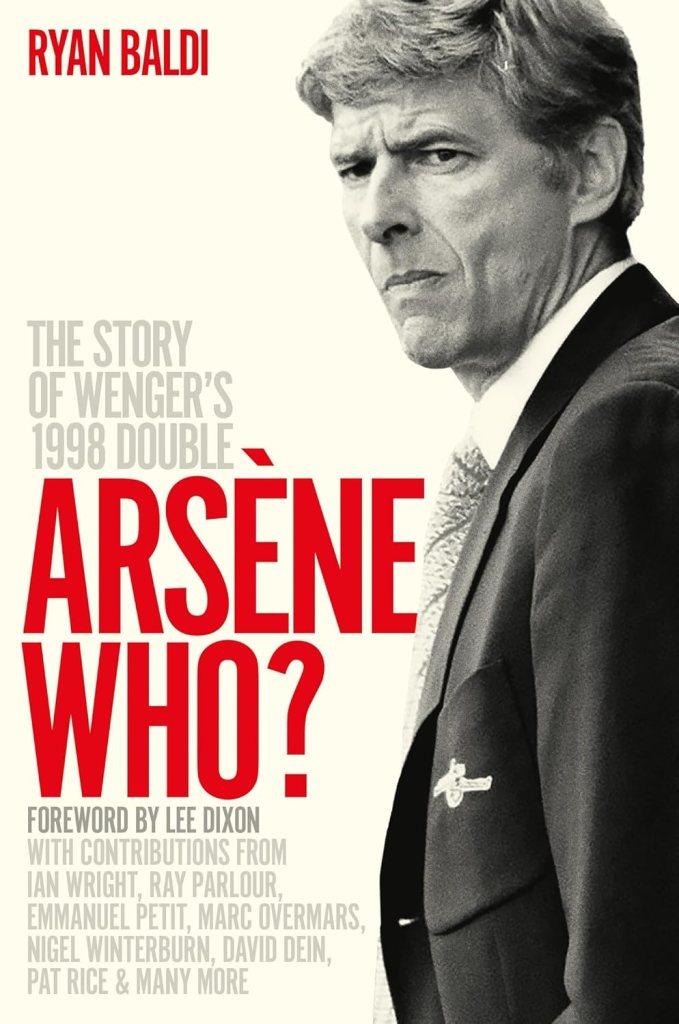
Ryan Baldi unpacks Wenger’s Arsenal invincibles with ‘Arsene Who?’

“A fabulous sports book that must be essential reading for Gooners everywhere”
AdvertisementsI would be first to admit that I was among the head-scratchers when Arsène Wenger was unveiled as Arsenal manager in October 1996, wondering why the glorious Gunners had turned to the Japanese league to find their next leader.
It would seem that I was not the only one as even some of those already playing at Highbury in Arsenal’s team were questioning the credentials of their new boss and unusual methods, asking “Arsène who?”
 Advertisements
While the football media were believing that the Gunners had shot themselves in the foot with this appointment, there was much humble pie to be served out a couple of years later when Arsenal were transformed into Double winners and their French manager’s methods were hailed as the most innovative in the sport and heralded a modernising of tactics and beyond.
Journalist Ryan Baldi has taken a deep dive into the title-winning team which were labelled ‘The Invincibles’ after staying unbeaten for a whole season. In the process he has conducted over 150 interviews with key players, coaches, staff members and opponents, to get the inside story on how Wenger took Arsenal to the top of English football and changed the game forever.
 Advertisements
This is a well-researched book and balances details about what made Wenger such a game-changer with hilarious anecdotes from behind the closed doors of the training ground.
At just over 300 pages there is enough detail to satisfy football fans and the curious but it also reads incredibly well and zips along as you get caught up in the cut and thrust of the season.
Arsène who? is a fabulous sports book and must be essential reading for Gooners everywhere as well as their rivals who want to see what it took to be the best and stay at the top of their game for so long.
-
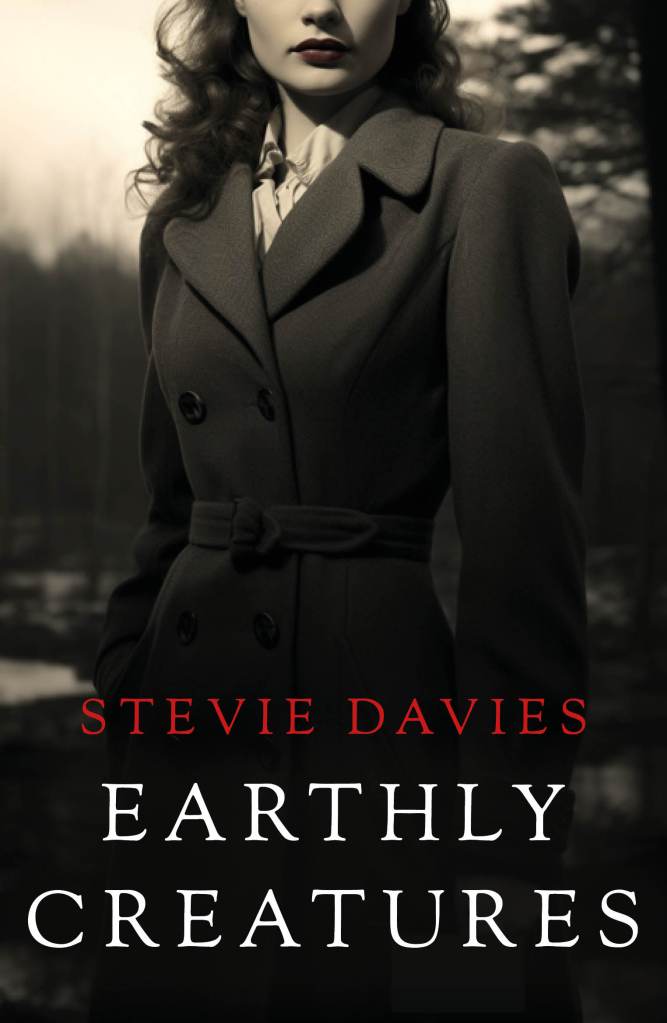
Stevie Davies’ ‘Earthly Creatures’ reaffirms author’s status as supreme storyteller

“Places Stevie in upper echelons of war storytelling alongside Anthony Doerr”
AdvertisementsThere have been plenty of stories written about the Second World War and there has often been a difficulty in finding a new angle on the atrocities and emotions of being involved in such a devastating period in world history.
Stevie Davies has managed to create an addition to the war catalogue which can set her apart from so many others and place her in the upper echelons with the like of Anthony Doerr’s All The Light We Cannot See with her latest novel, Earthly Creatures.
 Advertisements
Stevie has previously been longlisted for the Booker Orange Prize and she is once again at the top of her game with this tale of Magdelena Arber’s time in East Prussia as a school teacher and how the horrors of the war unfold and her knowledge of what the Nazis are doing, challenges all that she has known so far.
Dramatic irony brings some foreboding to the story with the characters discovering for themselves what we, the reader, know due to information about World War II.
 Advertisements
Stevie says about her idea for Earthly Creatures: “The novel is in the deepest sense a love story – between mother and child, father and daughter, woman and woman, teacher and pupil, friend and friend.”
While this is so, the story is one that will stay long in the memory for the horrors described in its pages, though sensitively handled it doesn’t hold back in describing the brutality suffered by so many.
Earthly Creatures poses the question: how would you behave when forced to live in a dangerous and deplorable regime and highlights all the lessons we are still yet to learn. Fans of historical fiction will devour this book.
AdvertisementsThe premise is such: Spring 1941: Magdalena Arber is an idealistic 20-year-old bookworm hungry for life and knowledge. After being conscripted into service as a school teacher in East Prussia, she lodges with Ruth and her twin daughters, Julia and Flora.
Magda is already conflicted between fidelity to her indoctrinated beliefs and her father’s humanist values, but when the local doctor and undercover eugenicist, Felix Littmann takes a sinister interest in the twins, she finds herself exposed to the dark and evil nature of the Nazi regime.
This is a thoroughly recommended read and one that doesn’t shy away from the more harrowing details of the war, especially being on the front of the Russians and Germans. Enjoy might not be the right word for those reading this but it is certainly an important read and one that should be hailed.
-
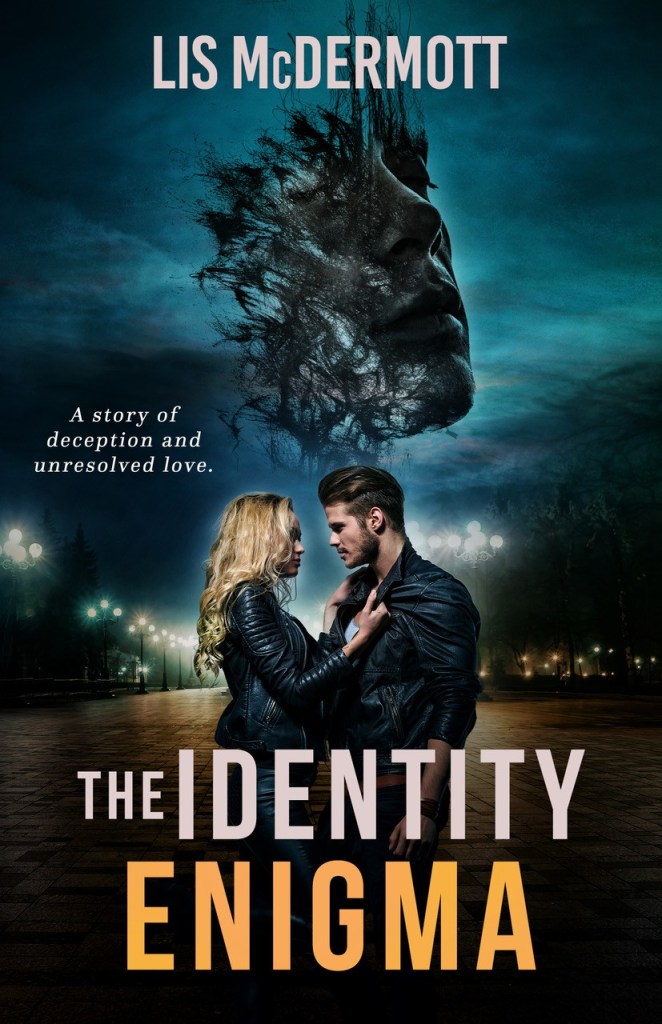
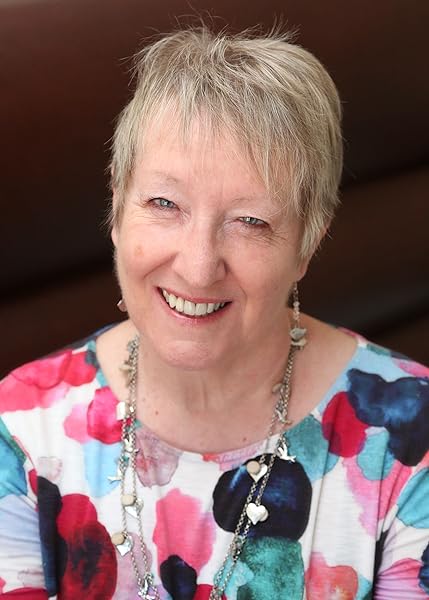
Lis McDermott’s ‘The Identity Enigma’ hits the right notes for former schools adviser

“After 34 years working in music education, Lis can now play a fine tune in the world of thrillers”
AdvertisementsThe Identity Enigma arrives in bookstores as the second novel by Wiltshire-based author Lis McDermott, after 2022 offering He Is Not Worthy, which has garnered a host of top reviews since publication.
While I have not read the previous novel by Lis, it would seem that she has taken the best of her debut and then worked even more into this sparkling thriller that takes characters across the globe.
 Advertisements
At around 200 pages, The Identity Enigma is perfect company for an evening, now that the nights are drawing in, but will also keep the reader’s pulses racing as the action come fast and furious and all what seems at the start is not what can be believed as the story unfolds.
The blurb for this page-turner thriller reads: “Couples, Kyra and Nils and Jess and Lukas who are all in Stockholm, arrange to meet up. However, when Lukas receives an urgent phone call, their night out has to be postponed.
“While on a trip to Ethiopia for work, Cole, Lukas’ best friend has been involved in an accident and is flown home, seriously hurt. Lukas and Jess fly back to Manchester to support Cole’s wife, Sofia.”
AdvertisementsThe blurb continues: “As Cole begins to recover, Lukas becomes increasingly unsettled as he doesn’t recognise his friend, convinced there is something different about him, but has no idea what it is. The more time that passes, the more uncomfortable Lukas becomes with the uncharacteristic decisions his friend makes. Eventually he asks his journalist friends Kyra and Nils to try to investigate to uncover the mystery.”
As with all great thrillers, there is plenty to keep the reader feeling the tension and some hair-raising moments along the way. The reader is immersed into the twists and turns of the story and the characterisation is such that there’s a feeling of being in there with them.
 Advertisements
After 34 years working in music education, it would seem that Lis can now play a fine tune in the world of thrillers and there should be plenty who would find that this hits the right notes with a fantastic beat from beginning to end.
The Identity Enigma is out now from Westwater Publishing.
-
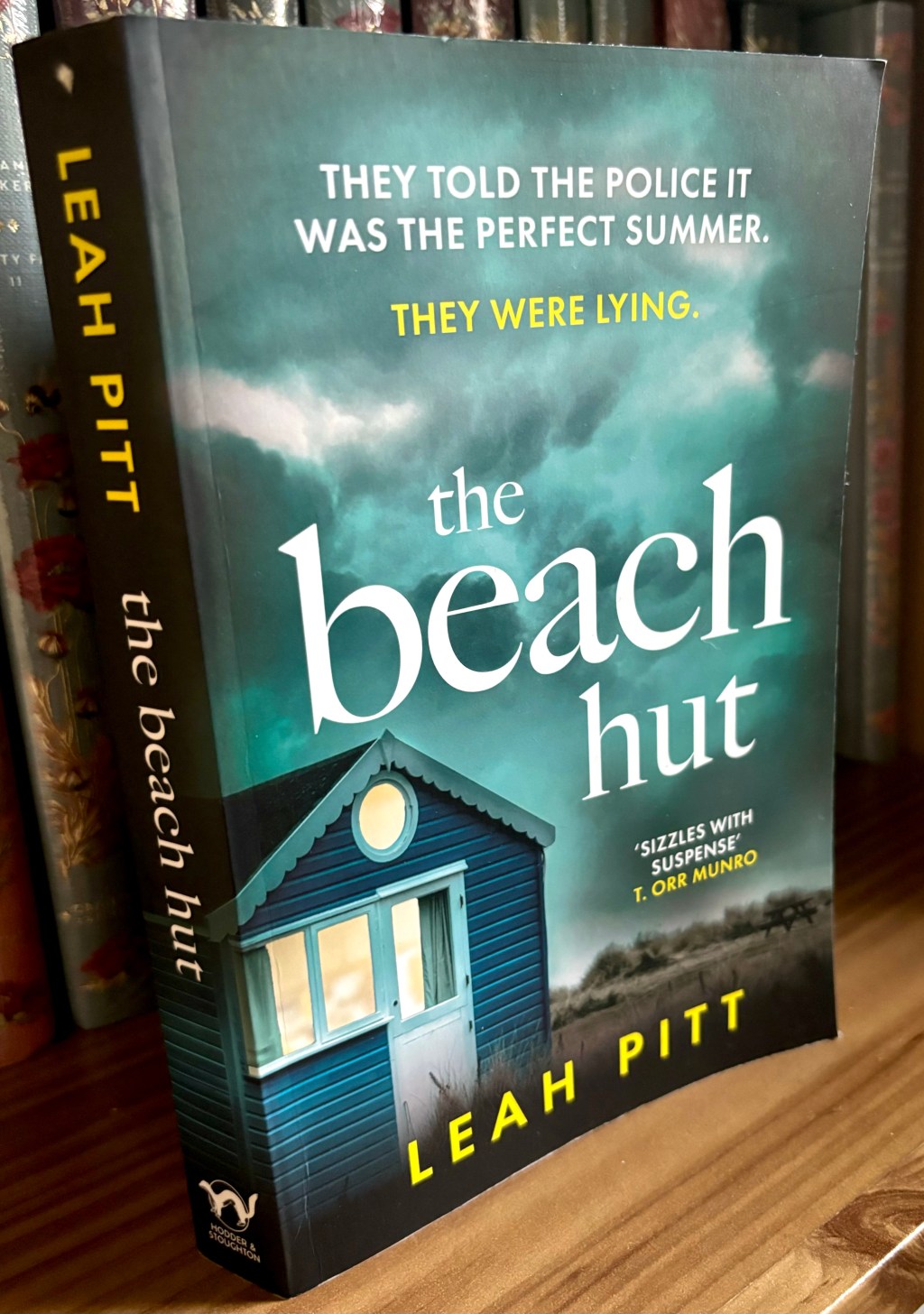
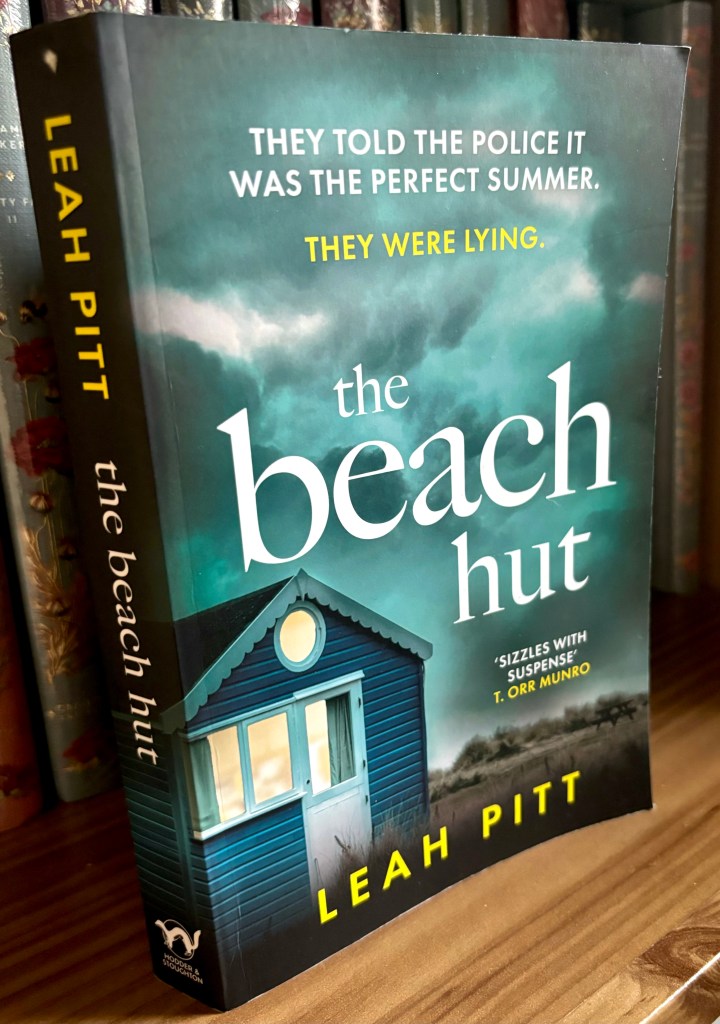
Secrets and lies on Dorset coast in Leah Pitt’s thriller ‘The Beach Hut’
“Atmosphere and intrigue in this page-turner thriller”
AdvertisementsOwning a beach hut on Dorset’s Jurassic coast seems an idyllic retreat from the stresses and strains of city life and a place to go to unwind. That is, of course, until someone dies and the tight-knit group of friends turn out to not be as close as first thought as a spiderweb of secrets and lies unfold.
Leah Pitt grew up in Dorset, so it seems a great place to set her first novel and her love of true-crime meant that there was only one genre she would be heading for when she put pen to paper.
 Advertisements
The blurb for this debut novel states: “August, 1997. Matilda is killed in a tragic accident on the Dorset rocks, leaving her best friend Sophie alone, wracked with guilt.
“Decades later, Sophie is back for the first time since that terrible summer, to sell her family’s old beach hut and bury the memories forever. But on clearing out the hut, she finds evidence that Matilda’s death was no accident. What really happened the night she died?
“As Sophie edges closer to the truth, the past starts to close in on the present.”
 Advertisements
Hooked yet? You should be as this is an atmospheric, intriguing thriller that brings you straight into the story of what happened on the fatal night and doesn’t let go of you once you are hooked.
It is a beautifully paced thriller with plenty of suspense, well-developed characters and a dual timeline that propels the action forward, with a good helping of 90s nostalgia added to the mix.
AdvertisementsThis is your summer beach read, though you may not want to hire the beach hut and just stay laying upon a towel on the sand instead.
-
Delight in Dora’s Detective Dilemmas in ‘D is for Death’

“A fabulous adventure into London, libraries and a sprinkling of murder”
AdvertisementsMurder, mystery and a new female detective on the scene, all proved to be a rather fabulous addition to the roster of titles from Harriet Evans.
Dora Wildwood went to London to escape and found herself in the midst of murder most foul as she tried to shake off an overbearing fiance, with money, title and entitlement and find a new life away from the Somerset countryside.
Of course, this is not easy in 1935 with the threat of another world war on the horizon and the difficulties of trying to be an independent woman in a ‘man’s world’.
 Advertisements
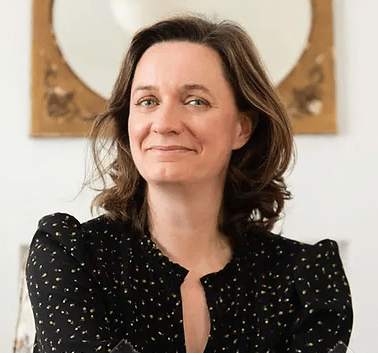
Bestselling author Harriet Evans, here writing under the pen name of Harriet F. Townson in a nod to her grandmother, has created a rather wonderful character in Dora, who is as much aloof as she is astute. The library beckoned for Dora, though more as a hiding place from her fiance rather than a desire to seek it out but it turns out that the London Library was about to change her life in more ways than one, and also unlock the mystery to her mother’s death in Switzerland.
Speaking about the creation of Dora, Harriet said: “I’ve always wanted to try a detective novel, so last year when I was feeling in need of cheering up I started writing the first Dora Wildwood mystery in the evenings and on trains and on holidays. Initially I was doing it for myself, not only to solve the murder but to remind myself why I love my job: telling stories.”
 Advertisements
Well, the story she has spun with ‘D is for Death‘ is a delectable tale that evokes 1930s London and delights with the language and customs of that time. I felt I had been transported into the story as the landmarks and buses involved were all ones that I regularly use in the capital, so the imagery was easy to conjure in my mind.
There are comic moments and times when the narrative reads like a thriller and all along you are carried towards a conclusion with a number of twists along the way to keep the reader wondering where the story will take you next.
AdvertisementsIf this is the start of a series of Dora Wildwood mysteries, then that is jolly good news and I cannot wait to read more as was enthralled with ‘D is for Death‘.
-
TM Logan reveals foundations for ‘The Dream Home’ and how to build a thriller

“I really like to dive into each scene, put myself into the middle of it”
AdvertisementsTM Logan has another bestseller on his hands with The Dream Home and the successful author has revealed the processes he goes through to bring his riveting thrillers to life, as his new novel storms The Sunday Times Top Ten.
Speaking to The Book Insider, Tim said that he likes to inhabit the spaces he creates in the edge-of-your-seat thrill rides, so that he can get a real feel for how it would be for his characters in his books.
 Advertisements
When asked whether he is living the story as he develops it on the page, Tim said: “I try to, yes. When I’m writing a first draft I really want to dive into each scene, put myself in the middle of it as if I’m there, seeing what my characters see, smelling the smells, hearing the sounds of what’s going on.
“So I like to block out everything in the outside world for a few hours each day while I’m doing that. Noise-cancelling headphones and a long ambient music playlist are a big help in that regard. When the writing is going well, it feels amazing – an hour can go by like ten minutes.”
 Advertisements
With The Dream Home being Tim’s eighth nerve-jangling thriller and over two million copies of his novels sold so far, it would seem that he has the recipe for a good story off to a tee. But how quickly does a story idea come to him? It would seem that the ideas have to germinate and grow inside before he takes it and runs with it.
Tim said: “Stories tend to start small for me. So I might have a single idea, just one scene from a story, or a situation, and then I build it out from there. So with The Dream Home, for example, it was just that scene of a new homeowner discovering a hidden room in his house.
“With The Mother, it’s a woman standing in court and being found guilty of a crime she didn’t commit. And then from there, I’ll build it out, spend a few weeks thinking about it, making notes, planning some of the broad arcs of story and character.”
- The Serpent Under continues Bonnie MacBird’s glorious Sherlock Holmes series

- Mona Susan Power spotlights harsh realities of indigenous people in National Book Award listed A Council of Dolls

- GD Harper unravels the mystery of Arden and William Shakespeare
AdvertisementsTim added about this process: “So while the initial idea might take only a minute to write down, I normally spend four to six weeks on the overall planning and developing stage before I start writing.”
With the story beginning to take shape, what are the ingredients of a good thriller? Tim explained all that he needs in his books to give him the best chance of being well received by readers and to ensure that he stays on top pf his game.
TM Logan revealed: “I love reading thrillers, it’s my go-to genre. For me, a good thriller needs a good, compelling hook that grabs you early on, ideally in the first few chapters, a relatable story and interesting characters that I want to spend time with – whichever side they’re on. I also like stories that have pace, that move things forward quite quickly, and stories that surprise me. Whether that surprise is in the form of character, or story, or place – an interesting twist is always to be savoured.”
AdvertisementsWith a well-earned reputation as a story maker of high repute, there is now a level which Tim must reach so as to not let himself down. For a while, the story might not feel like it is his.
Tim told The Book Insider: “Whenever I’m writing a first draft it always feels very raw, very new, very unvarnished compared to the previous books that are out there, published already.
“But that’s natural, I think. Because a first draft is normally quite rough and ready at the beginning, before it goes through two or three rounds of edits. Imposter syndrome is real! At least it is for me.”
AdvertisementsWith an imposing back catalogue of work, and a number of bestsellers among them as well as TV adaptations, is Tim now at a point in which there is pressure to produce another blockbuster novel? He admits there is some pressure but there comes a point when it is fingers crossed and hope readers will buy it in their droves and love, once again, the story he has told.
Tim revealed: “The pressure tends to build around publication time, as you don’t have any more opportunities to work on the book and improve it. For a few months beforehand there’s a sense of build-up and of course you want to write a book that people will enjoy.
Advertisements“I know I have a great team at my publisher and that really helps, as they are doing a lot of work behind the scenes in terms of retailers, promotion, positioning etc. But yes, there is a certain amount of hope and expectation and crossed fingers every time that it might make the bestseller chart.”
The Dream Home is out now in hardback from Zaffre – buy it HERE.
-
Subscribe
Subscribed
Already have a WordPress.com account? Log in now.
 The Book Insider